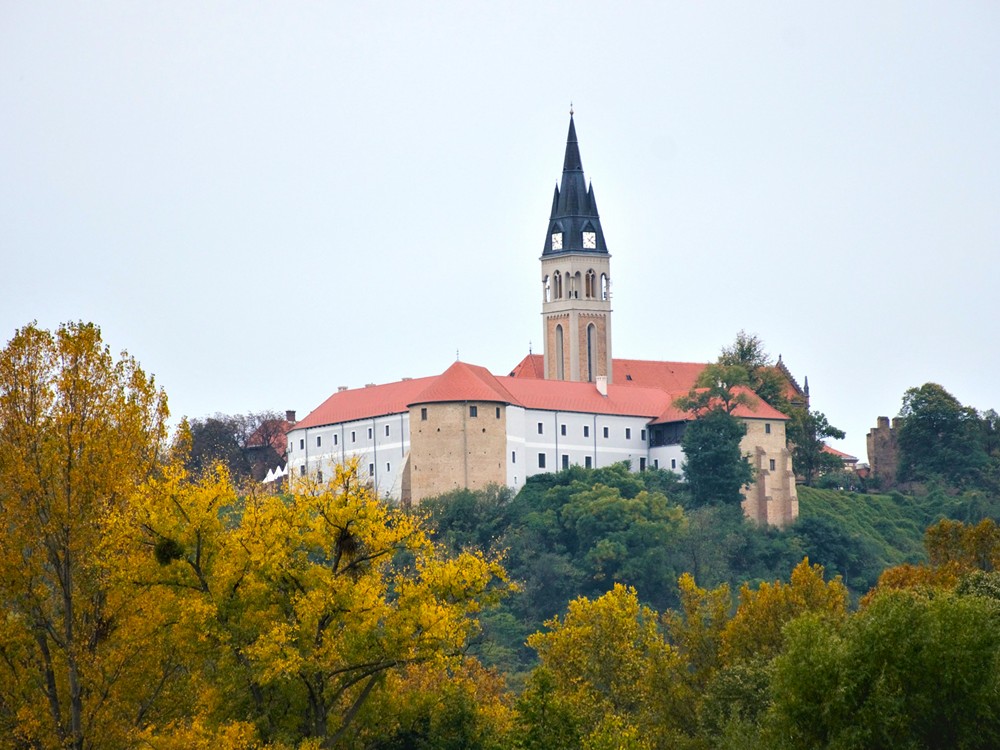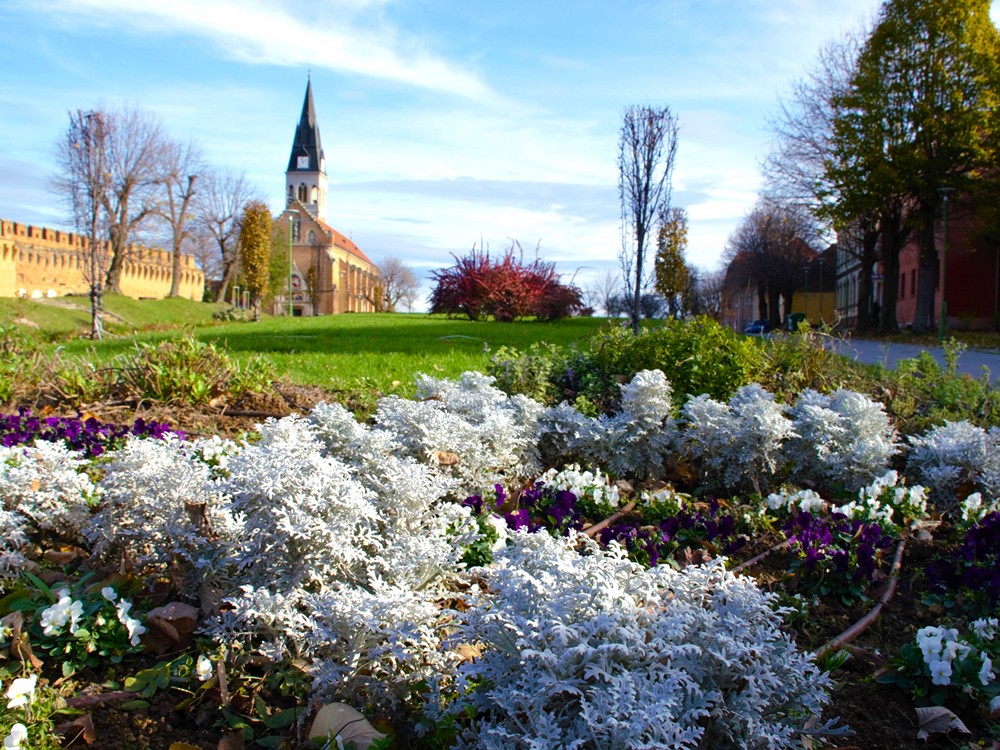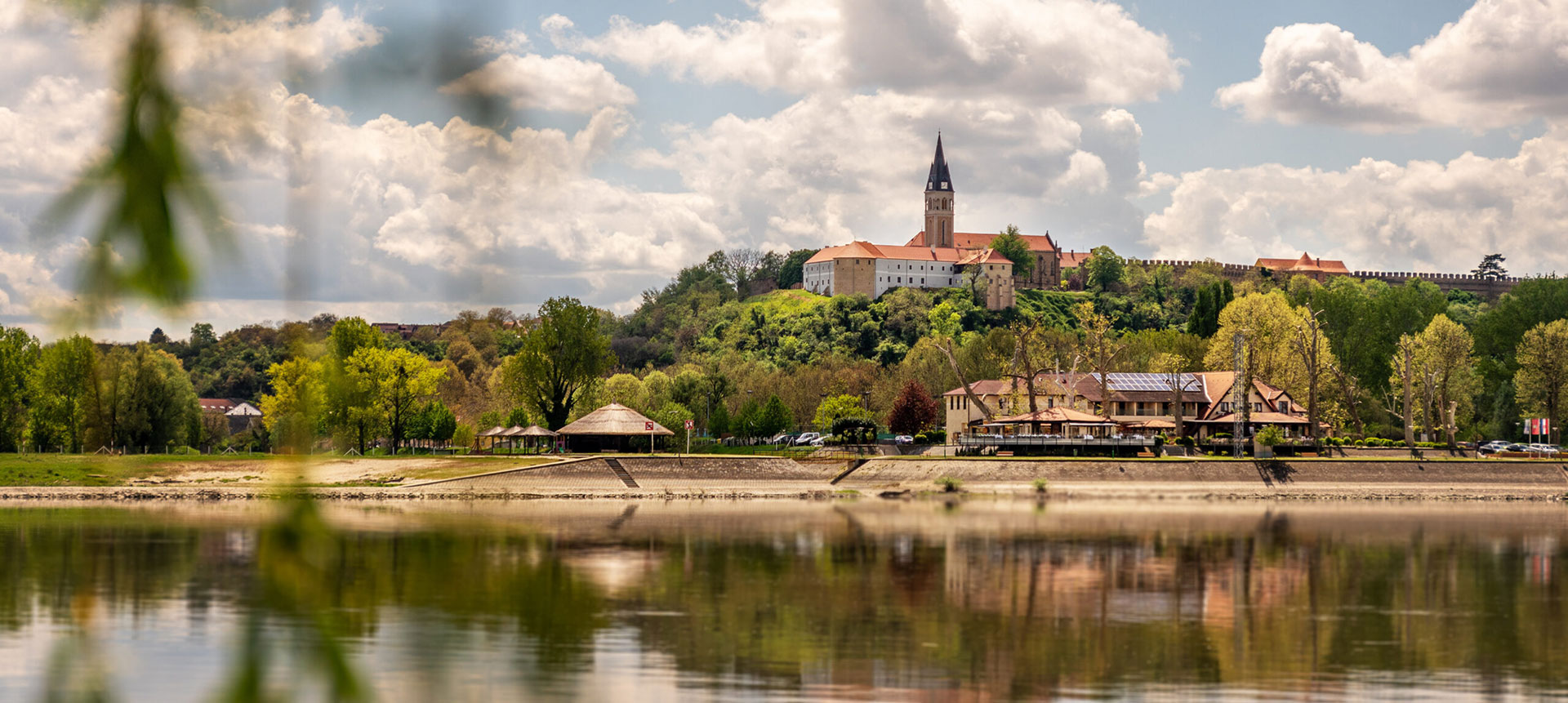
It is known by the synonym “Danubian kingdom of wine and antiquity”, the town of royal wines or the easternmost Croatian town. Ilok is also called the Dubrovnik of the East.
Ilok was inhabited as early as 8000 years ago. It is considered one of the most important fortified towns of the kingdoms of Slavonia and Bosnia. Ilok was first mentioned in 1276 under the Hungarian name “Vljak” or “Wylok”.
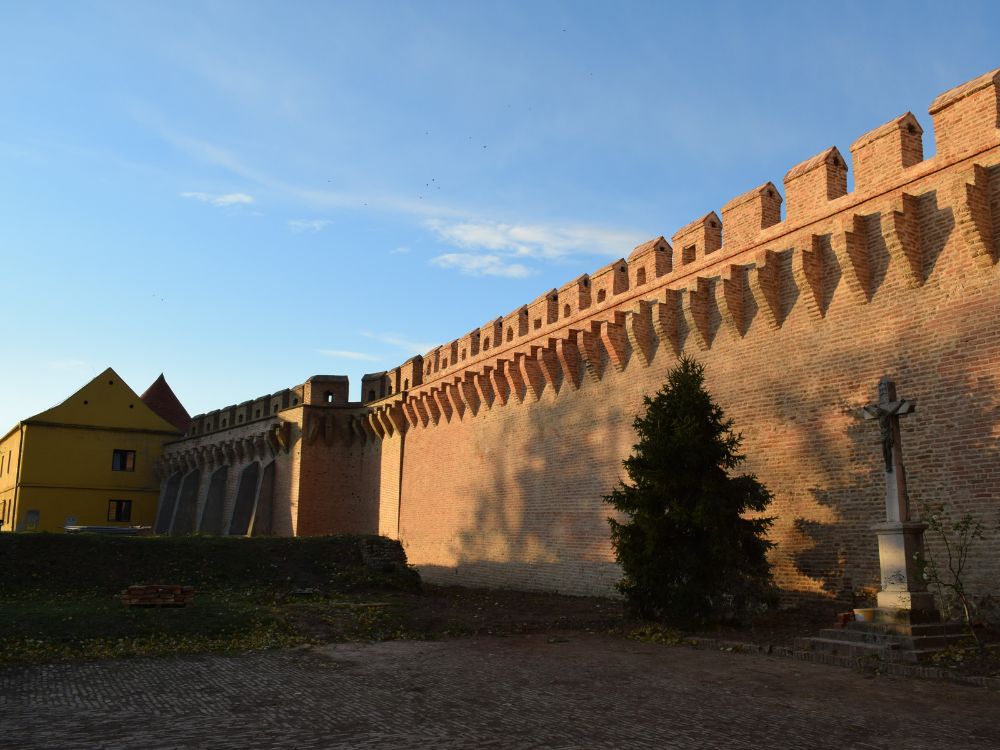
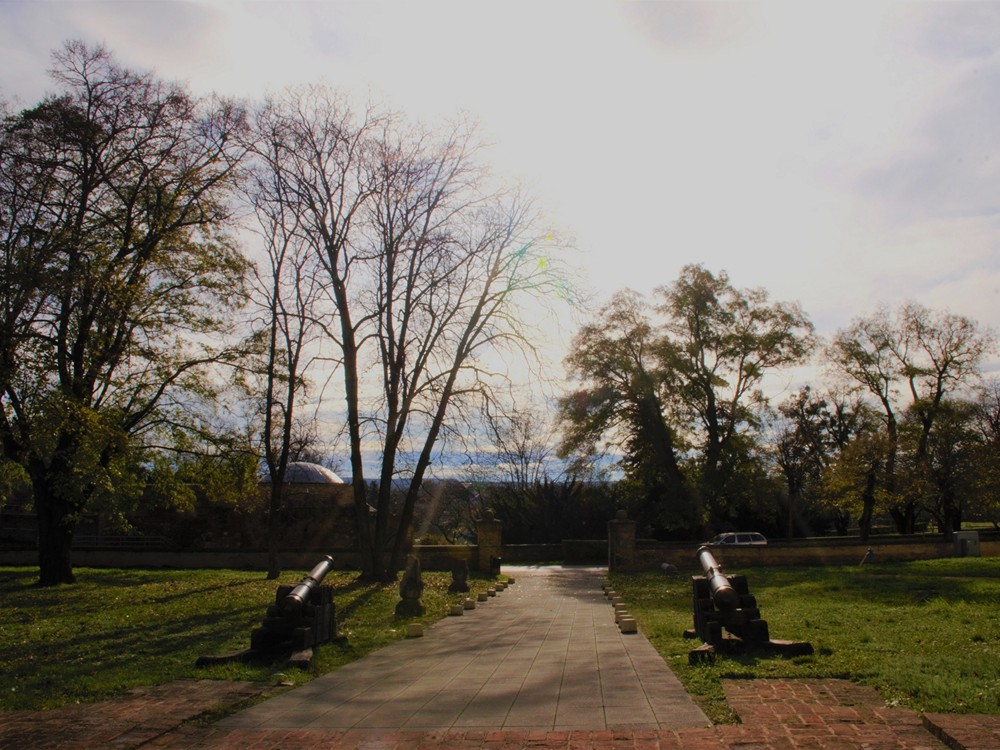
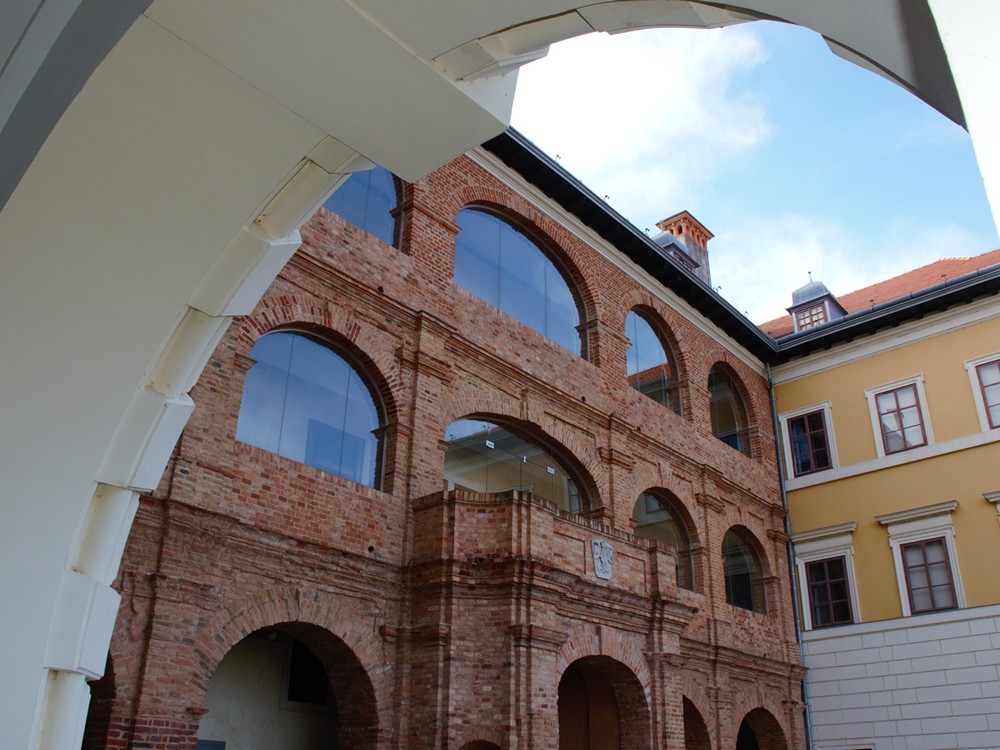
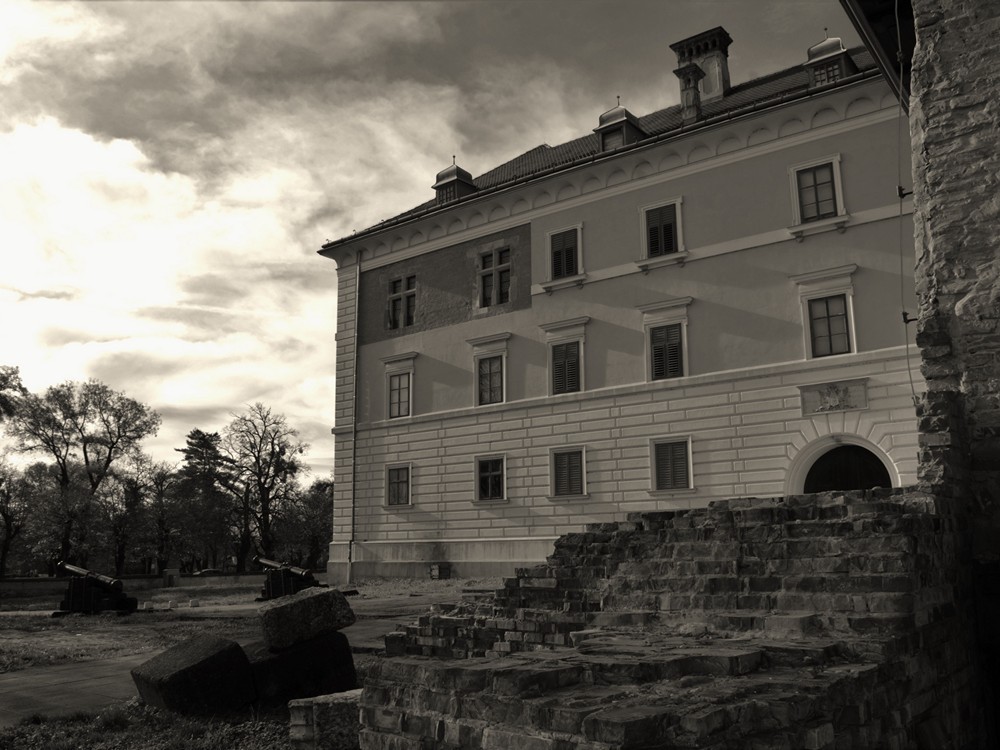
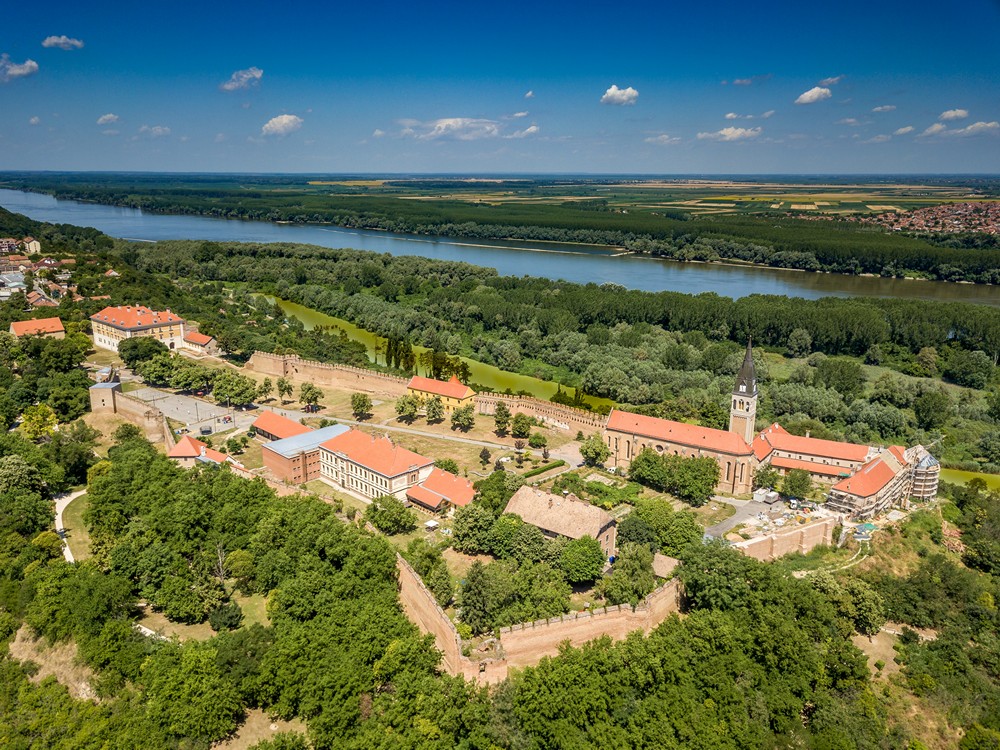
The river Danube flows through the town, forming a natural border with Serbia. In Ilok, there is the best-preserved fortress from the Turkish period, dating back to the mid-15th century. The construction was initiated by monarch Nikola Iločki, the crowned king of Bosnia. Nikola Iločki minted his coins in Ilok.
Do not be surprised if you hear Slovak not only from the Croatian but also from the Serbian side in these areas. Slovaks have been here since the relocation from southern Hungary.
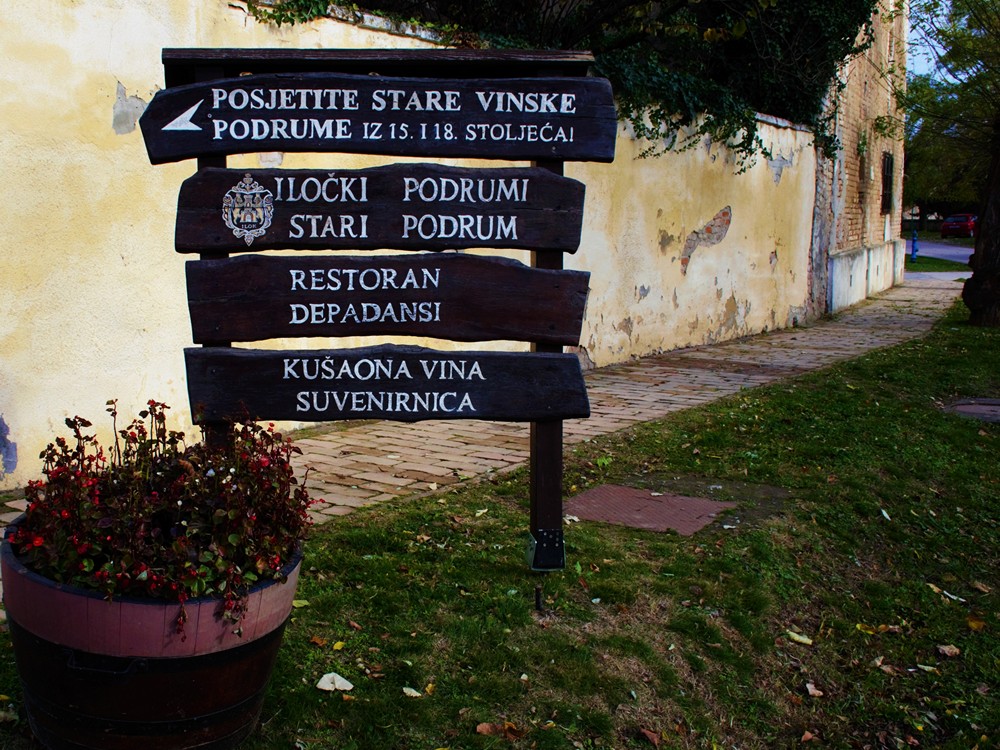
In this town, there are up to 20 wineries that can be visited. Ilok is the chosen destination for all wine lovers. Here you can see beautiful sunrises, taste exquisite Traminer Wine that was served at the coronation of Elizabeth II. You can also visit a restaurant recommended by Michelin.
What can you look forward to?
Principovac Country House
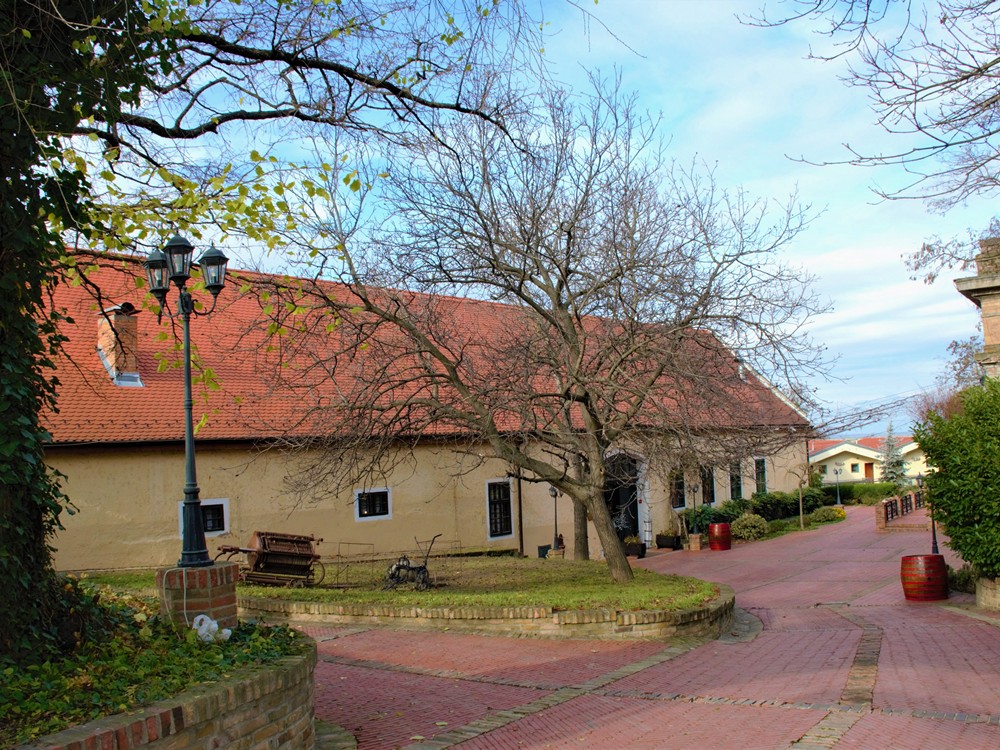
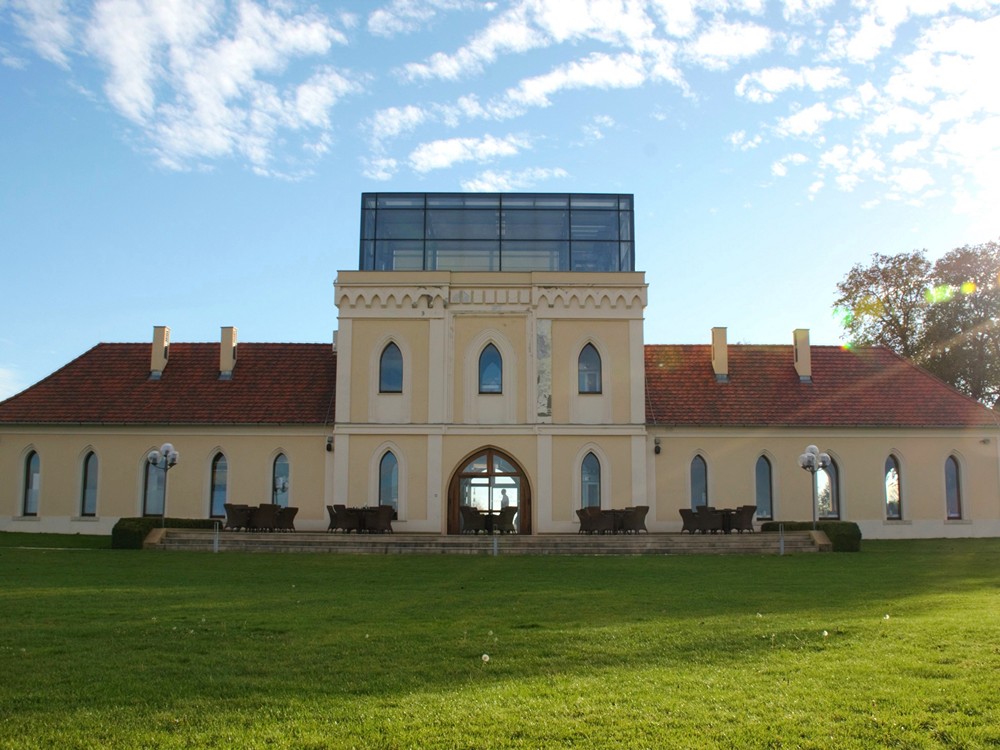
This is a rural estate offering beautiful views of Ilok and Bačka Palanka. Since 1699, the noble family Odescalchi has lived in this area. The Principovac Castle was built in 1864. The name “Principovac” comes from the Latin word “princeps,” meaning first or prince. It served as the summer residence of the noble family, where they conducted grape harvesting and hunting.
The Principovac region is considered one of the best wine regions in Croatia. In the past, there were valuable horse studs on the estate. In 1945, the Principovac estate was nationalized and returned to the town of Ilok. The noble family returned to Italy.
Enjoy the beautiful view at the local restaurant and café.
Medieval fortress
The best-preserved fortress from the Turkish period
Franciscan Monastery
St. John Capistrano died and was buried in the present-day Franciscan monastery. The church was named after him.